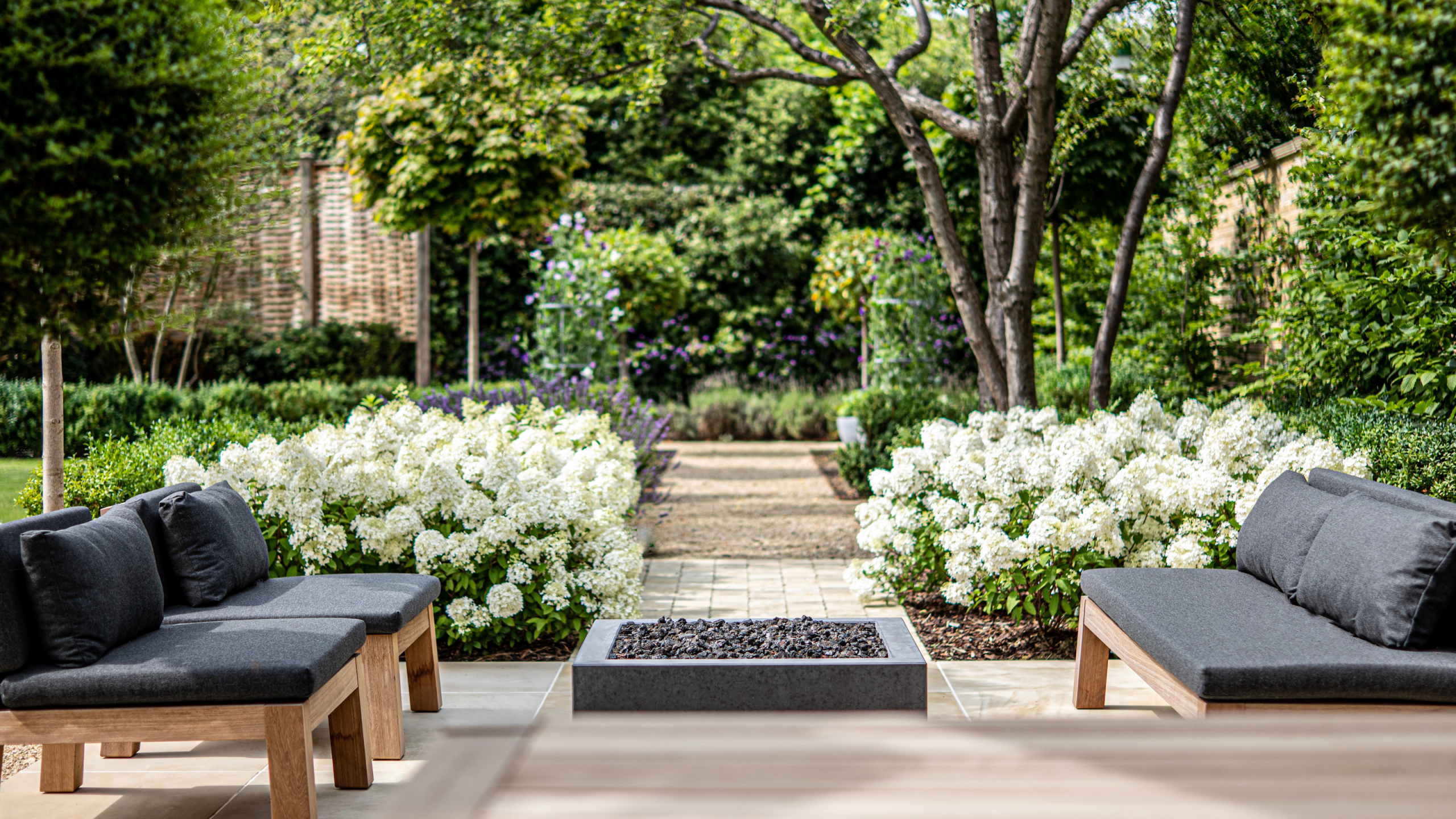
Landscaping is often associated with hours of mowing, pruning, and watering, but it doesn’t have to be time-consuming. Low-maintenance landscaping focuses on creating beautiful, functional outdoor spaces that require minimal effort to keep looking their best. This approach is ideal for busy homeowners, frequent travelers, or anyone who wants a stunning yard without the constant upkeep.
Principles of Low-Maintenance Landscaping
- Choose the Right Plants:
Native plants and drought-tolerant species are the foundation of low-maintenance landscapes. They require less water, are more resistant to pests and diseases, and adapt well to local soil and climate conditions. Perennials, evergreen shrubs, and ornamental grasses are excellent choices because they thrive year after year with minimal care. - Use Mulch Strategically:
Mulch not only improves soil health but also reduces weeds and retains moisture. Apply a thick layer around flower beds, shrubs, and trees to cut down on watering frequency and limit the need for weeding. Organic mulches like bark or compost also enhance soil fertility over time. - Incorporate Hardscaping:
Patios, walkways, retaining walls, and decorative stones reduce the amount of turf and garden beds, which in turn lowers maintenance requirements. Hardscape elements provide structure, define functional areas, and allow you to enjoy your yard with minimal upkeep. - Automate Watering:
Installing drip irrigation or smart sprinkler systems ensures plants get the right amount of water without manual effort. Timers and moisture sensors prevent overwatering, save water, and reduce the risk of plant stress or disease. - Opt for Low-Maintenance Lawns:
Consider alternatives to traditional grass lawns, which require frequent mowing and fertilization. Options include ground covers, artificial turf, or clover lawns, all of which require less water, mowing, and maintenance while remaining visually appealing.
Low-Maintenance Landscaping Features
- Evergreen Plants: Provide year-round greenery and structure without frequent pruning.
- Ornamental Grasses: Require little care and add texture and movement to the landscape.
- Container Gardens: Grouping plants in pots simplifies watering and allows for easy seasonal updates.
- Succulent Gardens: Perfect for hot, dry climates, succulents need minimal water and care.
- Native Flower Beds: Require less attention than exotic species while supporting local pollinators.
Design Tips for Low-Maintenance Landscapes
- Plan for Growth: Avoid overcrowding plants to reduce future pruning and competition for resources.
- Cluster Plants by Water Needs: Grouping plants with similar irrigation requirements simplifies watering and reduces waste.
- Layering: Place taller plants at the back and shorter ones in front to create depth while minimizing trimming needs.
- Minimize Turf Areas: Reduce the size of lawns and replace them with mulch, hardscapes, or ground covers to cut down on mowing and maintenance.
Seasonal Low-Maintenance Practices
- Spring: Fertilize perennial plants, refresh mulch, and prune lightly as needed.
- Summer: Water efficiently using automated systems and monitor for pests.
- Fall: Remove dead leaves, clean containers, and prepare plants for winter.
- Winter: Protect sensitive plants from frost and plan updates for the next growing season.
Benefits of Low-Maintenance Landscaping
Low-maintenance landscaping saves time, reduces costs, and creates a yard that remains attractive year-round. It also promotes sustainability by conserving water, reducing chemical use, and encouraging native plant growth. Most importantly, it allows homeowners to enjoy their outdoor spaces without the stress of constant upkeep, turning the yard into a relaxing and inviting retreat.
Conclusion
Low-maintenance landscaping proves that beautiful, functional outdoor spaces don’t have to be high-effort. By carefully selecting plants, incorporating hardscapes, and automating care, homeowners can create a yard that thrives with minimal attention.
Whether you prefer native plants, ornamental grasses, or container gardens, low-maintenance landscaping is ideal for anyone looking to balance beauty, sustainability, and convenience. A thoughtfully designed, low-maintenance landscape offers long-lasting enjoyment, enhances property value, and frees up time for homeowners to relax and make the most of their outdoor spaces.
About the Author