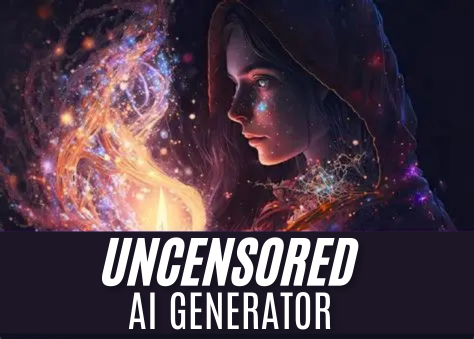
The rapid advancement of artificial intelligence has brought about a new era of digital creativity and problem-solving. Among the most intriguing—and sometimes controversial—developments is the emergence of AI uncensored. Unlike traditional AI models that adhere to strict content guidelines, AI uncensored tools offer users the ability to generate text, images, and other media without the usual filters. This shift has sparked both excitement and concern, as it opens up new possibilities while raising important ethical questions. In this article, we explore what AI uncensored means, its applications, the risks involved, and how users can navigate this evolving landscape, with insights from gdprinfo.eu’s guide on the best uncensored AI generators.
What Does AI Uncensored Mean?
AI uncensored refers to artificial intelligence systems that operate with minimal or no content restrictions. While most mainstream AI platforms use filters to block sensitive, offensive, or inappropriate material, AI uncensored tools are designed to provide raw, unfiltered outputs. This can include everything from creative writing and research assistance to more provocative or unconventional content that might be restricted on other platforms.
The concept of AI uncensored is rooted in the idea of giving users greater control over the content they generate. For many, this means the freedom to explore ideas, test hypotheses, or create art without the limitations imposed by traditional AI models. However, the lack of censorship also means that users must be aware of the potential consequences of generating and sharing unfiltered content.
The Appeal of AI Uncensored Tools
The growing interest in AI uncensored tools can be attributed to several factors. One of the main reasons is the desire for greater creative freedom. Writers, artists, and developers often find that mainstream AI platforms can be overly restrictive, limiting their ability to explore certain themes or styles. AI uncensored tools address this issue by allowing users to generate content that might otherwise be flagged or blocked.
Another factor driving the popularity of AI uncensored is the ongoing debate about censorship and free expression. As discussions about AI ethics and content moderation become more prominent, many users are seeking alternatives that align with their views on openness and transparency. AI uncensored platforms provide a space for these users to engage with AI in a way that reflects their values and needs.
Additionally, AI uncensored tools can be valuable for research and educational purposes. By exposing users to a broader range of content, these tools can help individuals develop critical thinking skills and gain a deeper understanding of the complexities of AI-generated material.
Applications of AI Uncensored in Various Fields
AI uncensored tools have a wide range of applications across different fields. In creative industries, for example, writers and artists can use these tools to generate unique and unconventional content. This can include everything from experimental fiction and poetry to avant-garde visual art. The lack of content restrictions allows creators to push the boundaries of their work and explore new artistic directions.
In research and academia, AI uncensored tools can be used to analyze and generate data that might be censored on other platforms. This can be particularly useful for studies on language, culture, or societal trends, where access to unfiltered information is essential. Researchers can also use these tools to test hypotheses and explore controversial topics in a controlled environment.
For developers and technologists, AI uncensored platforms offer the opportunity to experiment with AI models and create custom applications. By removing content restrictions, these tools enable developers to build more flexible and innovative solutions, tailored to specific needs or use cases.
The Risks and Ethical Challenges of AI Uncensored
While AI uncensored tools offer many benefits, they also come with significant risks. The most obvious concern is the potential for generating harmful, offensive, or illegal content. Without proper filters, these tools can produce material that promotes hate speech, misinformation, or explicit content, which can have serious consequences for individuals and society.
Another ethical challenge is the issue of bias and fairness. AI models, including uncensored ones, are trained on vast datasets that may contain biases or inaccuracies. Without careful oversight, these biases can be amplified, leading to outputs that are discriminatory or misleading. Users of AI uncensored tools must be aware of these risks and take steps to verify the accuracy and fairness of the content they generate.
Privacy is also a major concern when using AI uncensored platforms. Many of these tools require users to input personal or sensitive information, which could be vulnerable to misuse or data breaches. It is essential for users to choose platforms that prioritize data protection and transparency, such as those recommended by gdprinfo.eu’s guide on the best uncensored AI generators.
How to Use AI Uncensored Responsibly
Given the potential risks associated with AI uncensored tools, it is crucial for users to engage with these platforms responsibly. One of the first steps is to familiarize yourself with the platform’s terms of service and content policies. Even though these tools are designed to be uncensored, they may still have guidelines in place to prevent illegal or harmful activity.
Users should also exercise critical thinking when evaluating the outputs generated by AI uncensored tools. This includes fact-checking information, considering the potential impact of sharing certain content, and being mindful of the ethical implications of their actions. Additionally, users can take advantage of optional filters or moderation tools offered by some platforms to help manage the content they generate.
For those new to AI uncensored tools, it can be helpful to start with smaller, less sensitive projects to get a feel for how the tool works. This allows users to build their skills and confidence before tackling more complex or controversial topics.
The Future of AI Uncensored
The future of AI uncensored is likely to be shaped by ongoing debates about AI ethics, regulation, and user privacy. As these tools become more advanced, we can expect to see new features and functionalities that address some of the current challenges, such as improved bias detection, enhanced privacy protections, and more transparent content moderation processes.
One potential development is the rise of decentralized or user-driven moderation systems, where communities of users help shape the content guidelines for AI uncensored platforms. This approach could provide a balance between openness and responsibility, allowing users to enjoy the benefits of uncensored AI while minimizing the risks.
Another trend to watch is the integration of AI uncensored tools with other technologies, such as blockchain or virtual reality. These combinations could create new opportunities for creative expression, research, and collaboration, further expanding the potential applications of AI uncensored.
Conclusion
AI uncensored represents a significant and controversial development in the world of artificial intelligence. By offering unfiltered access to AI-generated content, these tools empower users to explore new ideas, challenge conventions, and push the boundaries of creativity. However, the lack of censorship also brings significant risks, including the potential for harmful or misleading content.
As the use of AI uncensored tools continues to grow, it is essential for users to approach these platforms with caution and responsibility. By staying informed, exercising critical thinking, and adhering to ethical standards, users can make the most of AI uncensored while minimizing its potential downsides. For those interested in exploring the best AI uncensored tools available, resources like gdprinfo.eu’s guide on the best uncensored AI generators offer valuable insights and recommendations.
Ultimately, the future of AI uncensored will depend on how well developers, users, and regulators can balance the benefits of openness with the need for safety and accountability. As this technology continues to evolve, it promises to reshape the way we interact with AI and the digital world at large.
About the Author