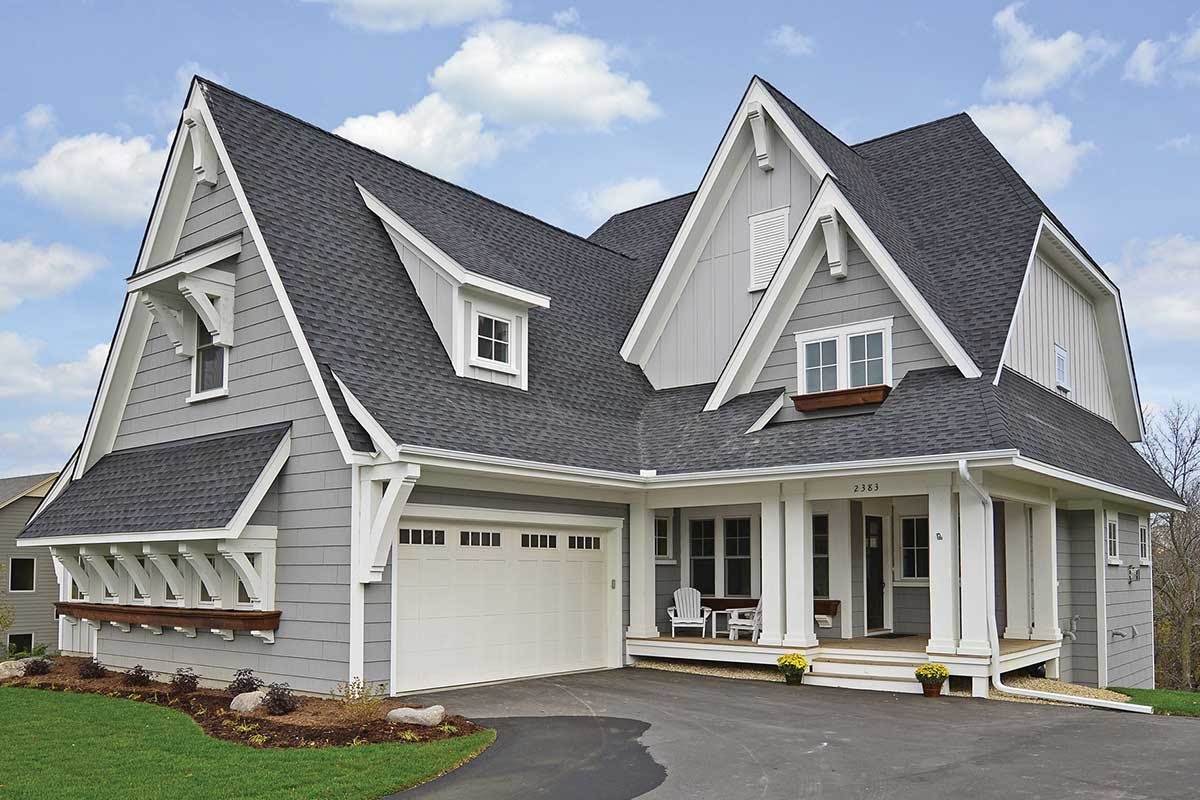
Your roof is your home’s first line of defense against the elements, yet it’s often the most neglected part of regular home maintenance. Understanding how to properly inspect your roof can save you thousands of dollars in unexpected repairs and ensure your family’s safety year-round.
“Most roof problems start small and go unnoticed until they turn into expensive repairs,” said a representative from Advanced Roofing and Siding. “That’s why we take the time to inspect everything from shingle condition to attic airflow. A thorough inspection helps homeowners prevent damage that could easily cost thousands if left unchecked.”
Whether you’re dealing with the harsh New England winters or preparing for storm season, these nine essential roof inspection tips will help you maintain your roof’s structural integrity and extend its lifespan.
1. Schedule Regular Professional Inspections
The foundation of good roof maintenance starts with professional roof inspection services. Industry experts recommend having a qualified roofing contractor perform a comprehensive inspection at least once every two to three years for newer roofs, and annually for roofs over 10 years old. After severe weather events—including heavy storms, hail, or high winds—schedule an immediate inspection to assess potential storm damage repair needs.
When selecting a roofing company ensure they hold proper roofing contractor license credentials and certifications, such as being a GAF-certified installer. Licensed professionals understand local building codes and can identify issues that untrained eyes might miss.
2. Conduct Quarterly Visual Inspections from the Ground
Between professional inspections, homeowners should perform their own roof inspection checklist reviews quarterly and after major weather events. Using binoculars, examine your roof from ground level to identify obvious problems such as missing, damaged, or curling asphalt shingles, metal roofing panels that appear loose or discolored, and any visible roof damage signs.
Look for granule accumulation in gutters, which often indicates aging shingles. Check for any sagging areas that might suggest structural problems, and note any debris accumulation that could trap moisture.
3. Examine Gutters and Downspouts Thoroughly
Your gutter system provides crucial clues about your roof’s condition. Clean gutters regularly and inspect them for granules from asphalt shingles, which indicate normal aging or potentially accelerated wear. Look for rust, corrosion, or separation at joints, and ensure proper drainage away from your foundation.
Clogged or damaged gutters can lead to ice dam risks during winter months, particularly problematic for Massachusetts roofing services clients dealing with freeze-thaw cycles. Proper gutter maintenance supports overall roof performance and prevents water damage to siding installation and foundation systems.
4. Assess Attic Ventilation and Insulation
Proper attic ventilation is critical for maintaining roofing lifespan and preventing moisture-related problems. During your inspection, examine your attic for adequate airflow through soffit and ridge vents. Poor ventilation can lead to ice dam formation, premature shingle deterioration, and energy efficiency problems.
Check insulation levels and look for signs of moisture intrusion, such as water stains, mold growth, or musty odors. Adequate ventilation helps regulate temperature and humidity, protecting both your roof structure and your home’s interior.
5. Identify and Address Flashing Issues
Flashing around chimneys, vent penetrations, skylights, and roof valleys represents the most vulnerable areas for water infiltration. Inspect all flashing for signs of rust, corrosion, separation, or damage. Look for gaps where caulking may have dried out or pulled away from surfaces.
Flashing issues are among the most common causes of roof leaks and often require immediate attention to prevent extensive water damage. Professional residential roofing contractors can assess whether flashing needs repair or complete replacement.
6. Document Your Findings and Maintain Records
Create a comprehensive record-keeping system for all roof inspections, repairs, and maintenance activities. Photograph any areas of concern and date your documentation. This information proves invaluable for warranty claims, insurance purposes, and future roof repair or roof replacement planning.
Maintaining detailed records also helps you track the progression of minor issues before they become major problems. Share this documentation with roofing contractors during professional inspections to ensure nothing gets overlooked.
7. Check for Structural Integrity Concerns
While conducting your inspection, watch for signs that might indicate more serious structural integrity problems. These include sagging roof lines, cracked or damaged rafters visible from the attic, and doors or windows that suddenly become difficult to open or close.
Commercial roofing and residential roofing systems both require solid underlying structures to perform effectively. If you notice any structural concerns, contact a licensed roofing contractor immediately for professional assessment.
8. Monitor for Weather-Related Damage
Different weather conditions cause specific types of roof damage. After winter weather, check for ice dam damage and inspect areas where snow loads may have stressed the structure. Following summer storms, look for hail damage to shingles or metal roofing, and examine trees that may have dropped branches onto your roof.
Storm damage repair should be addressed promptly to prevent secondary damage from water infiltration. Even minor weather-related damage can compromise your roof’s protective capabilities if left unrepaired.
9. Know When to Call the Professionals
While homeowner inspections are valuable, certain situations require professional expertise. Contact a qualified roofing company immediately if you discover any of the following: active leaks, significant structural damage, extensive storm damage, or if you’re uncomfortable performing any inspection safely.
Professional roofers have the training, equipment, and insurance necessary to safely assess and repair roofing problems. They also understand Massachusetts roofing services requirements and local building codes that affect repair and replacement projects.
Conclusion
Regular roof inspections are an investment in your home’s long-term value and your family’s safety. By following these nine essential tips and working with qualified professionals when needed, you can catch problems early, extend your roof’s lifespan, and avoid costly emergency repairs.
Remember that different roofing materials—whether asphalt shingles, metal roofing, or other systems—may have specific inspection requirements. When in doubt, consult with experienced roofing professionals who can provide expert guidance tailored to your specific roof type and local conditions.
About the Author